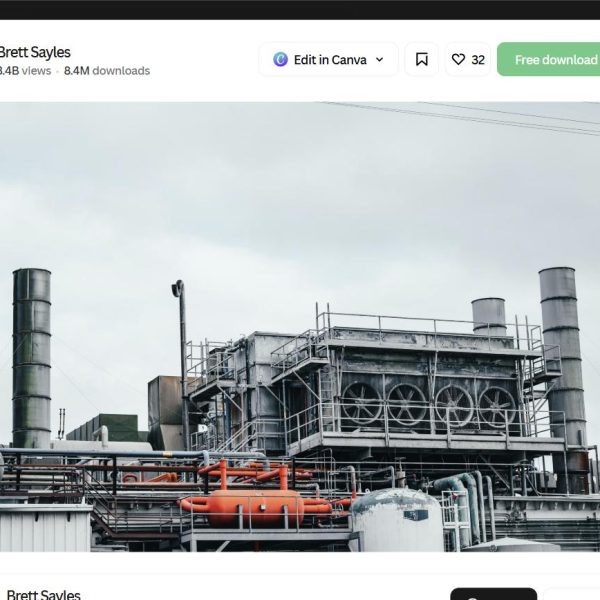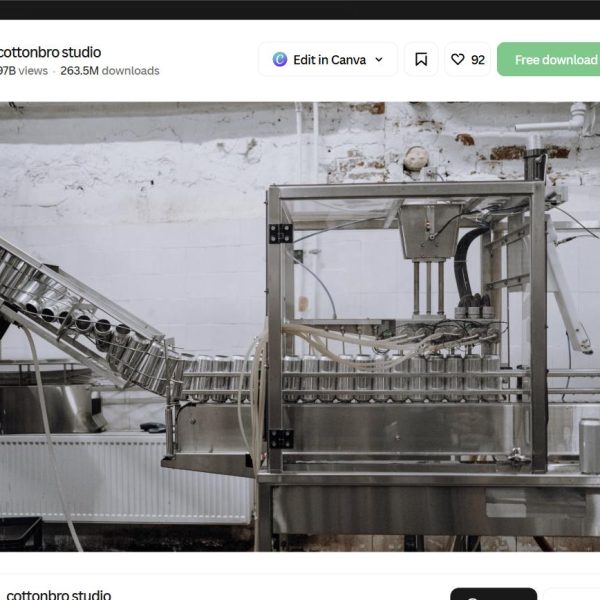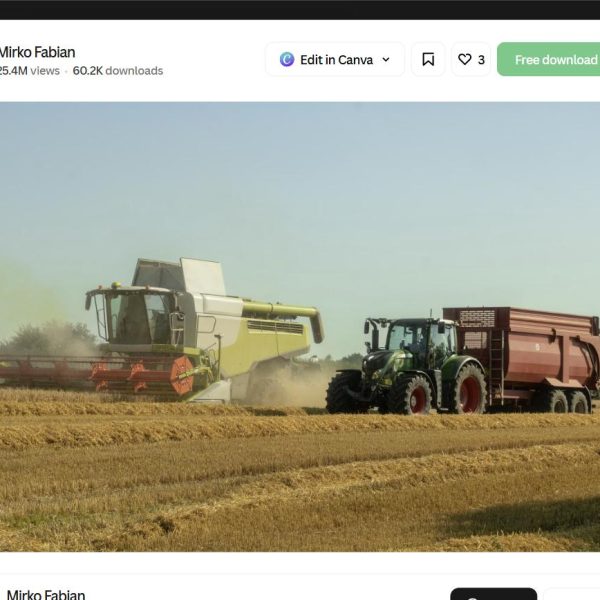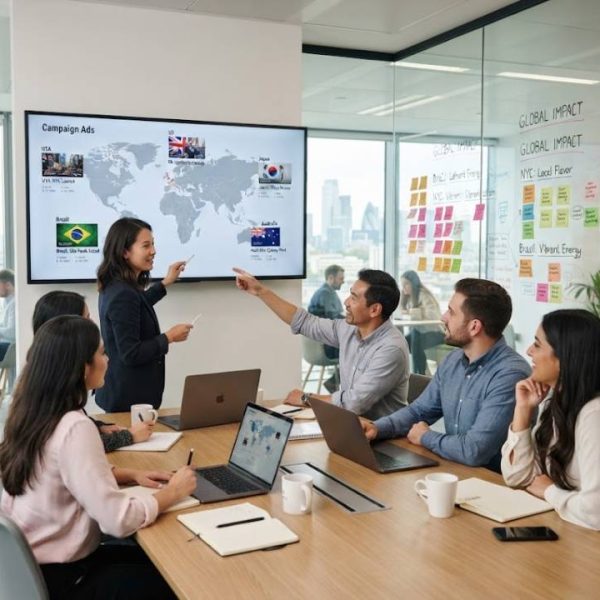
Germany and Poland share a long border, deep trade ties and thousands of companies that depend on each other every day. German machinery, Polish components, shared logistics and growing digital services all move across that border. Yet the two languages could hardly be more different, and clear communication is one of the quiet factors that decide whether a partnership thrives.
A Strong Trade Relationship
Germany is Poland's largest trading partner, and Poland has become a key supplier for German industry. Car parts, electronics, furniture and food products cross the border constantly. Many German firms also run offices, factories and shared service centers in Polish cities.
That economic closeness creates a steady need for documents, emails and meetings in both languages. The closer the partnership, the more costly a small misunderstanding becomes.
Two Very Different Languages
German and Polish belong to different language families. German has articles, compound nouns and a firm word order, while Polish uses cases, flexible word order and rich verb forms. A direct, word for word approach rarely works.
Formality differs too. German business writing often uses a precise, structured tone, while Polish may add more courtesy phrases. A translator needs to carry the meaning and adjust the style so that each reader feels respected.
Documents That Cross the Border
Typical documents include contracts, invoices, technical specifications, safety data sheets, employment agreements and certificates. Each type has its own vocabulary and its own risks if translated badly.
Legal and financial papers need extra care, since terms like liability or shareholder may not have exact matches. Consistent use of approved terminology prevents disputes and speeds up audits.
Choosing the Right Partner
Ask whether the provider works with native speakers of the target language and whether the translators know your industry. A linguist who handles manufacturing every week will understand a machine manual far better than a generalist.
Many companies search for a german translation agency that can also coordinate Polish and English versions, so that all language files stay aligned in a single project.
Polish Into English and Back
Many German Polish projects also involve English as a bridge language. Documents may start in Polish, pass through English and end in German. Each extra step adds risk, so direct translation between the two main languages is usually safer.
For background on the Polish side of the equation, this overview of Polish to English translation shows common challenges and how professionals handle them.
Meetings and Interpreting
Negotiations, factory visits and board meetings often require interpreters. Consecutive interpreting suits small meetings, while simultaneous interpreting works for larger events. Briefing the interpreter in advance, with an agenda and a list of key terms, improves the results.
Do not rely on a colleague who simply speaks both languages. Professional interpreters are trained to stay neutral, manage pace and handle technical vocabulary.
Support for Companies Entering the Market
Businesses planning to expand across the border can find official guidance on regulations, incentives and partners. Germany Trade and Invest provides market information and practical advice for companies interested in the German market, including legal and tax overviews.
Combine such resources with local advice and a reliable language partner, so you understand both the rules and the way people communicate.
Everyday Communication Tips
Keep emails short and clear. Avoid idioms and abbreviations that confuse non-native readers. Confirm key decisions in writing, and share meeting notes after calls so that everyone agrees on what was said.
Learn a few words of your partner's language. A simple dzień dobry in Poland or guten Tag in Germany shows respect and warms up a relationship faster than any slide deck.
Cultural Habits to Remember
German colleagues often value punctuality, structure and direct feedback. Polish colleagues may prefer a slightly warmer start to a conversation, with time for small talk, and may show hospitality by offering coffee or lunch. Neither style is better, and understanding both prevents friction.
Public holidays, vacation periods and working hours also differ. Check calendars before scheduling deadlines, so you do not plan an important delivery for a national holiday.
Quality Control and Terminology
Create a bilingual glossary of your company terms, and update it whenever products change. Ask your translators to follow it, and review new texts against it. This simple practice keeps product names, legal phrases and technical terms consistent over time.
Periodic audits of translated documents also reveal small errors before they cause real damage. A short review each quarter is enough to keep standards high.
Looking Ahead
As supply chains become more connected, German Polish cooperation will continue to grow. Companies that invest in clear communication, trusted language partners and cultural understanding will move faster and avoid costly mistakes. Two languages are not an obstacle when they are managed with care. They become a bridge that helps both sides do better business.